
What to Pack for Your Tanzania Safari
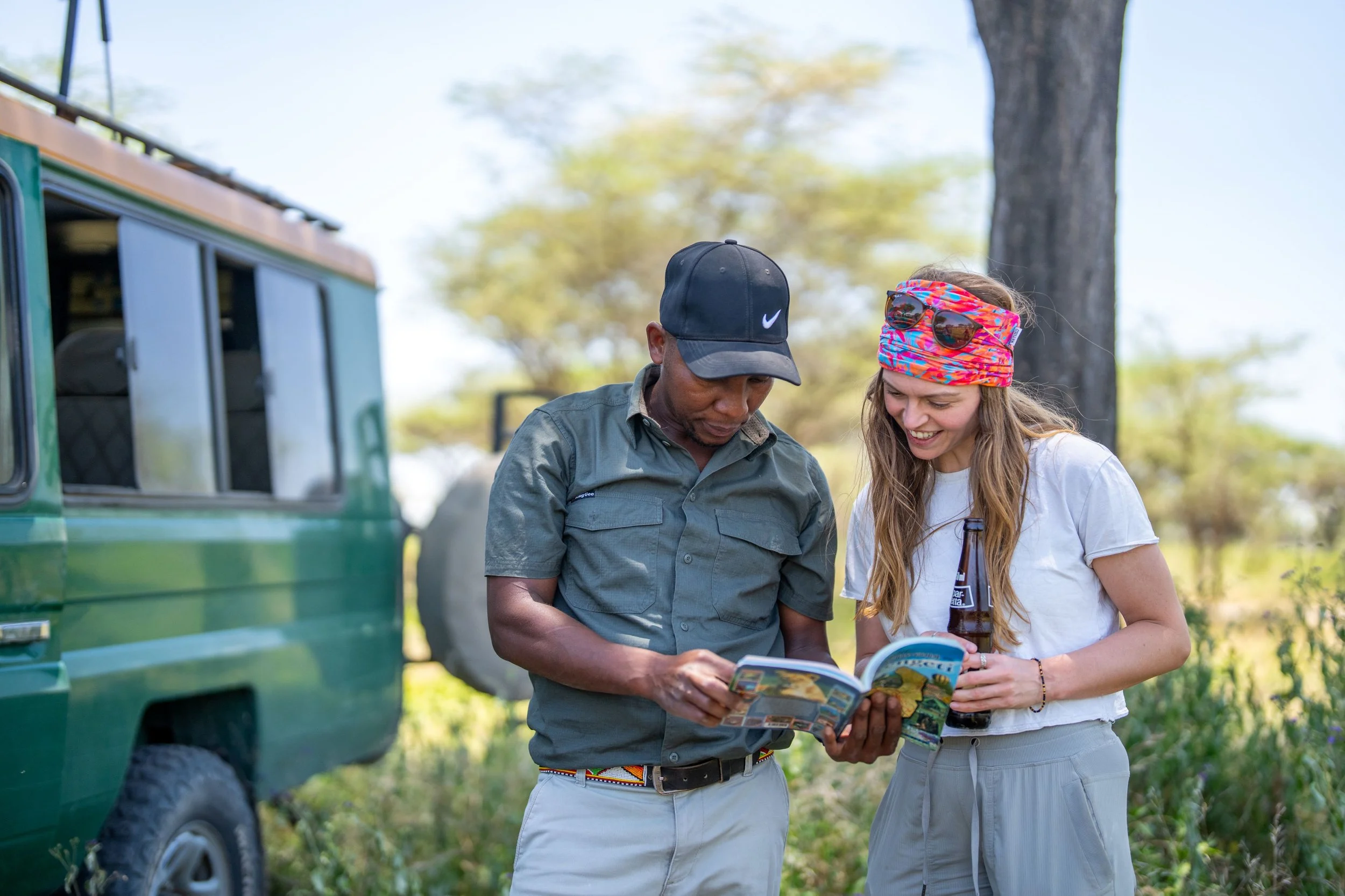
Packing for a safari doesn't need to be complicated. Tanzania is generally warm, but temperatures can vary considerably depending on where you are travelling, the altitude and the time of year.
The key is to pack light, comfortable and practical clothing, with a few layers for cooler mornings and evenings.
Clothing
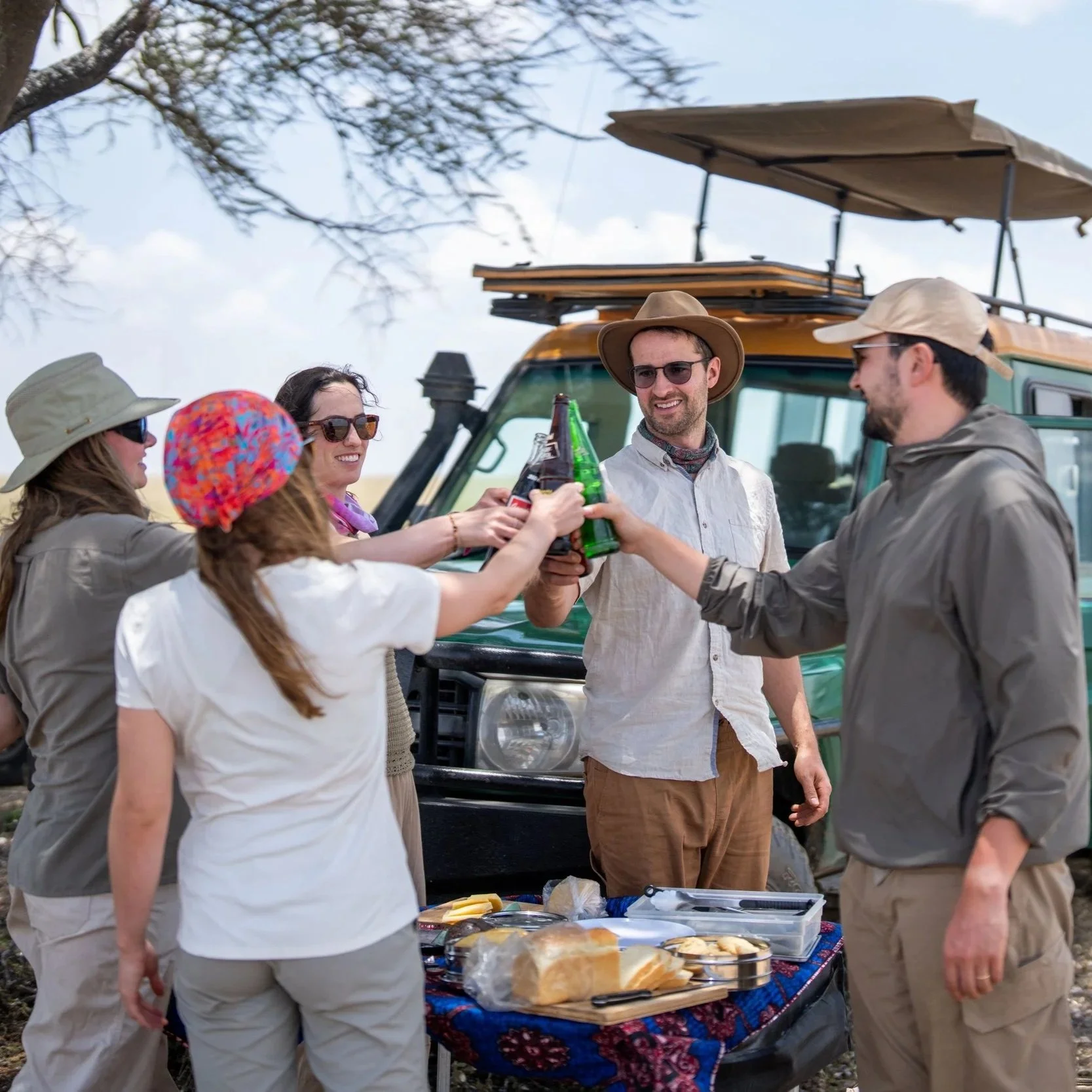
Choose lightweight, breathable and comfortable clothing in neutral or natural colours such as khaki, olive, beige, brown or grey. Bright colours aren't necessary, particularly when walking.
We recommend bringing:
Lightweight trousers and/or shorts
T-shirts and lightweight long-sleeved shirts
A warm fleece or jumper for cool mornings and evenings
A lightweight waterproof or windproof jacket
Comfortable underwear and socks
Sleepwear
Swimwear
A sun hat or cap
Comfortable walking shoes or trainers
Sandals or comfortable shoes for around camp
A light scarf or buff for sun, dust and cooler mornings
Long trousers and long sleeves can be particularly useful in the evenings and when walking, providing protection from the sun, insects and vegetation.
There is generally no need for lots of formal clothing. Evenings at camp are relaxed and comfortable.
For Walking Safaris
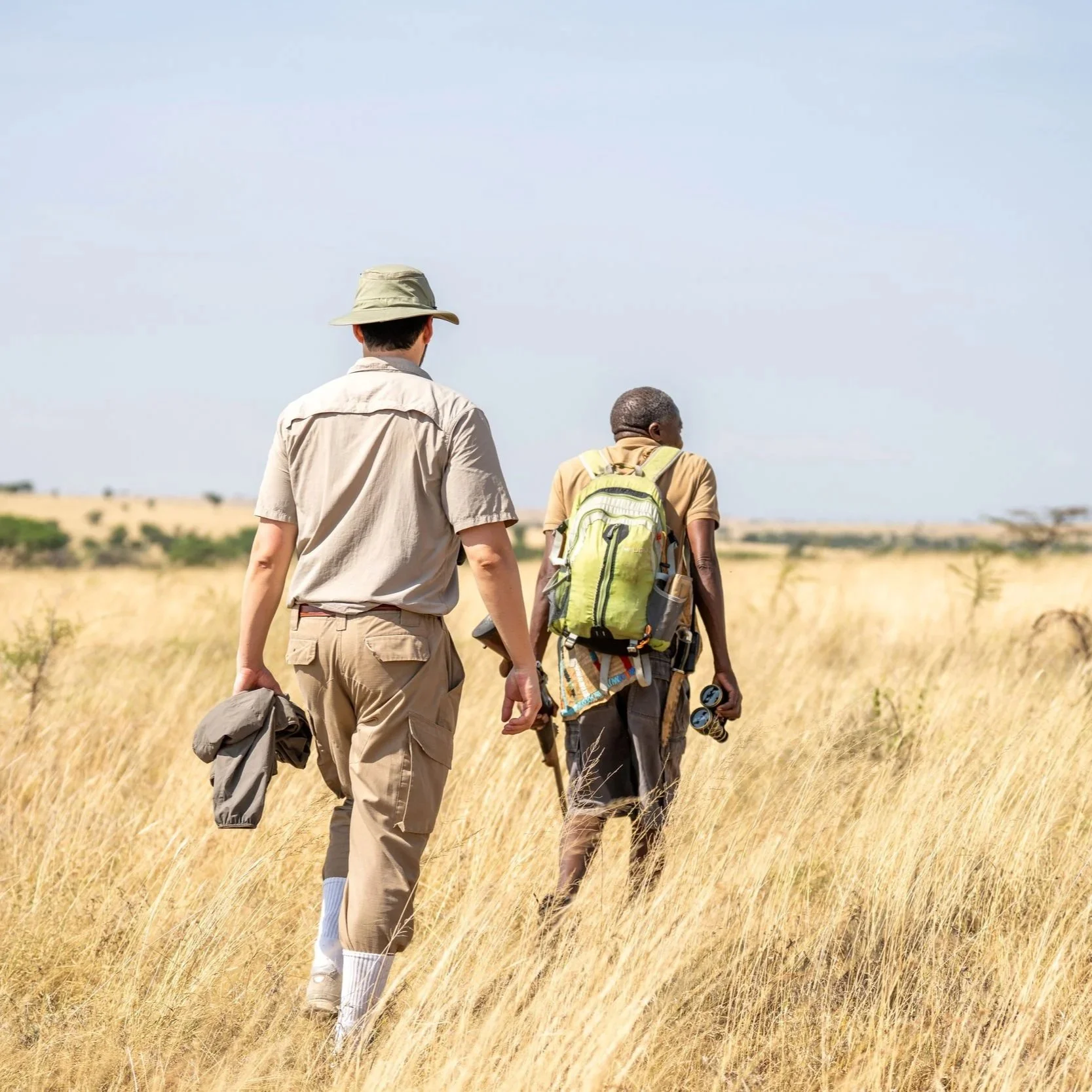
If you are joining one of our walking experiences, a little extra thought should go into your footwear and daypack.
You will need:
Comfortable, well-worn walking shoes or hiking boots with good grip
Lightweight, breathable walking trousers or shorts
A lightweight long-sleeved shirt
Sun hat
Small, comfortable daypack (approximately 15–25 litres)
Reusable water bottle or hydration bladder
Sunscreen
Insect repellent
Personal medication
Sunglasses
Lightweight rain jacket
Camera/binoculars if desired
Please don't bring brand-new walking boots on safari. Make sure footwear has been worn in before your trip to avoid blisters.
Walking is about slowing down and experiencing the landscape differently. Your guide will advise you on what to carry each day depending on the route, weather and conditions.
For longer or more adventurous walks, we will provide specific packing advice before departure.
Bags & Luggage
Soft-sided luggage or duffel bags are generally best for safari. They are easier to store in safari vehicles and camps than hard suitcases.
We recommend:
1 soft-sided main bag or duffel
1 small daypack for walks and day trips
A small dry bag or waterproof bag can also be useful for protecting valuables, cameras and electronics
If you are travelling by light aircraft, luggage weight and bag dimensions can be restricted, so please check with us before travelling.
Water Bottle
Please bring a reusable water bottle.
We provide filtered drinking water at our camps and encourage guests to refill rather than rely on single-use plastic bottles.
A sturdy 750 ml–1 litre bottle is ideal. A hydration bladder can also be useful for longer walks.
Personal Medication & Toiletries
Please bring enough personal medication for the entire duration of your trip, plus a little extra in case of delays.
We recommend packing:
Prescription medication
Insect repellent
High-factor sunscreen
Lip balm with SPF
Personal toiletries
Please keep important medication in your hand luggage/daypack, rather than in your main luggage.
If you have specific medical requirements, please let us know before your safari so that we can help plan appropriately.
Sun Protection
The African sun can be strong, even when temperatures don't feel particularly high.
Bring:
High-factor sunscreen
Sunglasses
Wide-brimmed hat or cap
Lightweight long-sleeved clothing
SPF lip balm
Reapply sunscreen regularly, particularly during walking and other outdoor activities.
Insect Protection
Insects are part of the African wilderness, and mosquitoes can be present in some areas.
We recommend bringing an effective insect repellent and wearing long sleeves and trousers around dawn, dusk and in the evenings.
Some guests also like to bring a small personal mosquito net, although our camps provide appropriate sleeping arrangements.
Camera & Electronics
Don't forget:
Camera and spare batteries
Binoculars
Phone
Chargers
Power bank
Universal travel adaptor
Head torch or small torch
A small power bank can be particularly useful when travelling in remote areas.
A Few Things You Don't Need
You really don't need to bring your entire wardrobe!
Leave plenty of room for the experience itself. Safari is relaxed, practical and wonderfully informal.
You don't need:
Lots of smart or formal clothes
Heavy luggage
Excessive toiletries
Large hard-shell suitcases where soft luggage is possible
Multiple pairs of shoes
The golden rule?
Pack light, pack comfortably and leave a little space for the memories.
If you are joining us on a walking safari, mountain expedition or more remote adventure, we'll provide additional advice specific to your itinerary before you travel.