Equipment & Packing
Preparing for Kilimanjaro begins long before you arrive in Tanzania. The right equipment keeps you comfortable, helps you cope with changing mountain conditions and contributes to a safer, more enjoyable climb. Whether you're bringing your own kit or renting specialist equipment, our team will ensure you're fully prepared before your expedition begins.
Preparing for Every Environment
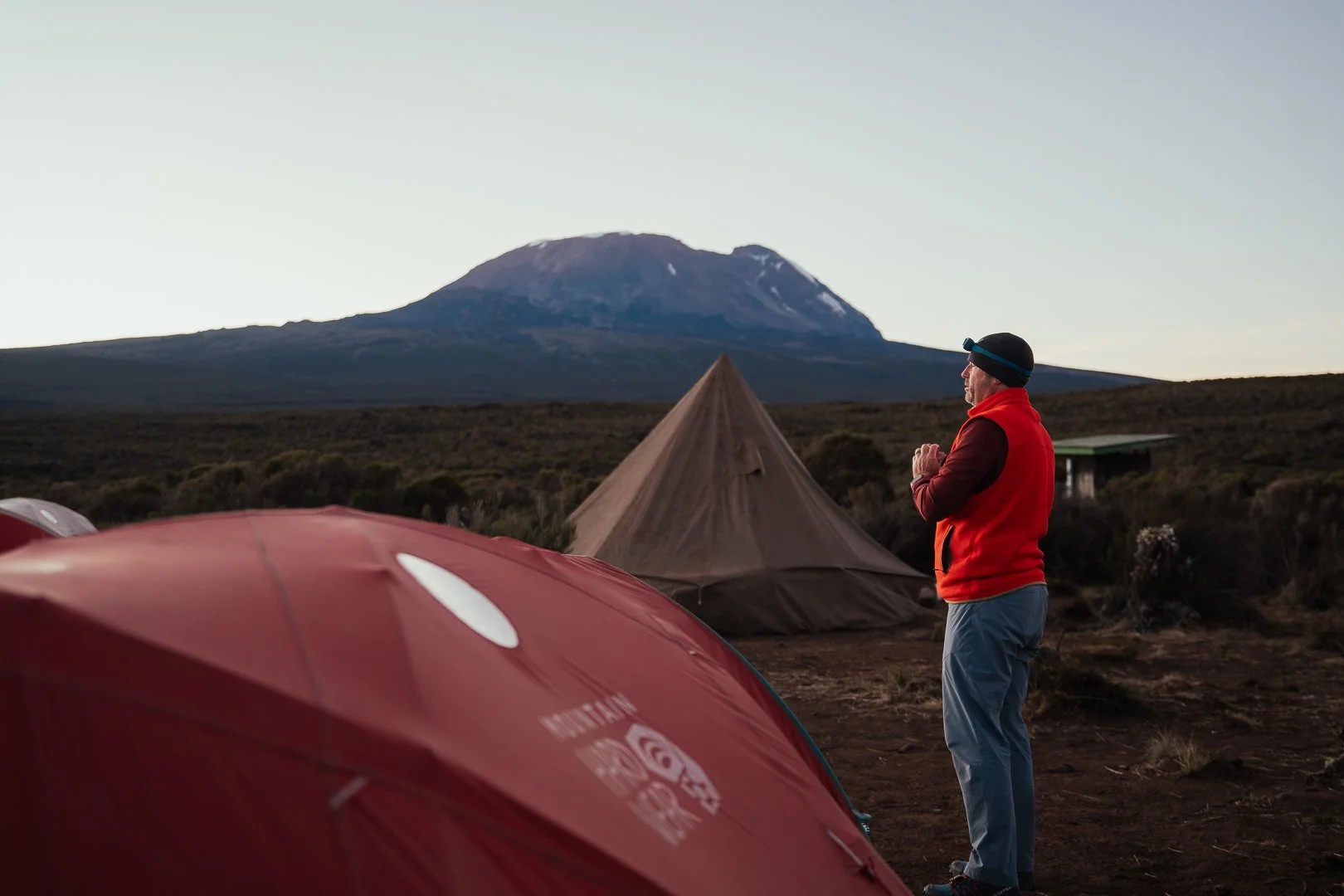
One of the unique challenges of Kilimanjaro is that you'll pass through several distinct climate zones during a single expedition. Warm rainforest conditions at the base of the mountain gradually give way to alpine desert before reaching freezing temperatures and thin air near the summit.
Rather than relying on one heavy jacket, successful climbers dress using a layering system that allows clothing to be added or removed as temperatures and conditions change throughout the day.
Our mountain team checks every climber's equipment before departure. Any missing or unsuitable items can usually be replaced through our rental equipment service before the climb begins, helping ensure everyone starts the expedition properly equipped.
Essential Equipment
Clothing
A moisture-wicking base layer, insulating mid-layers and a waterproof outer shell provide the flexibility needed for changing mountain conditions. Warm gloves, a hat, thermal socks and an insulated jacket become essential at higher altitude.
Footwear
Good quality, well broken-in hiking boots are one of the most important pieces of equipment you'll bring. Waterproof boots with good ankle support help provide comfort and stability over several consecutive days of walking.
Sleeping Equipment
A sleeping bag suitable for sub-zero temperatures is required for all Kilimanjaro expeditions. Sleeping mats are provided, while sleeping bags can be brought from home or rented through African Environments.
Walking Equipment
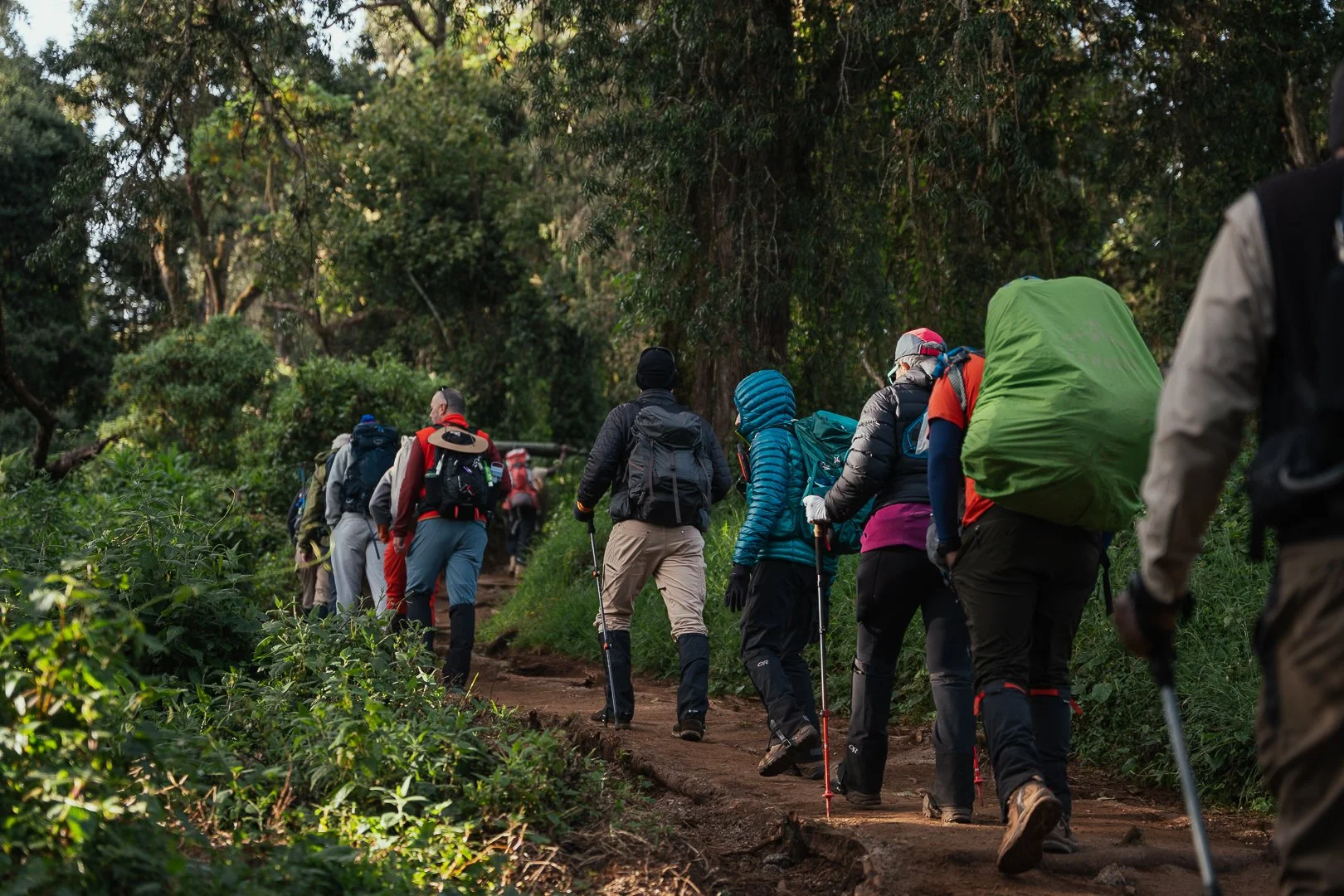
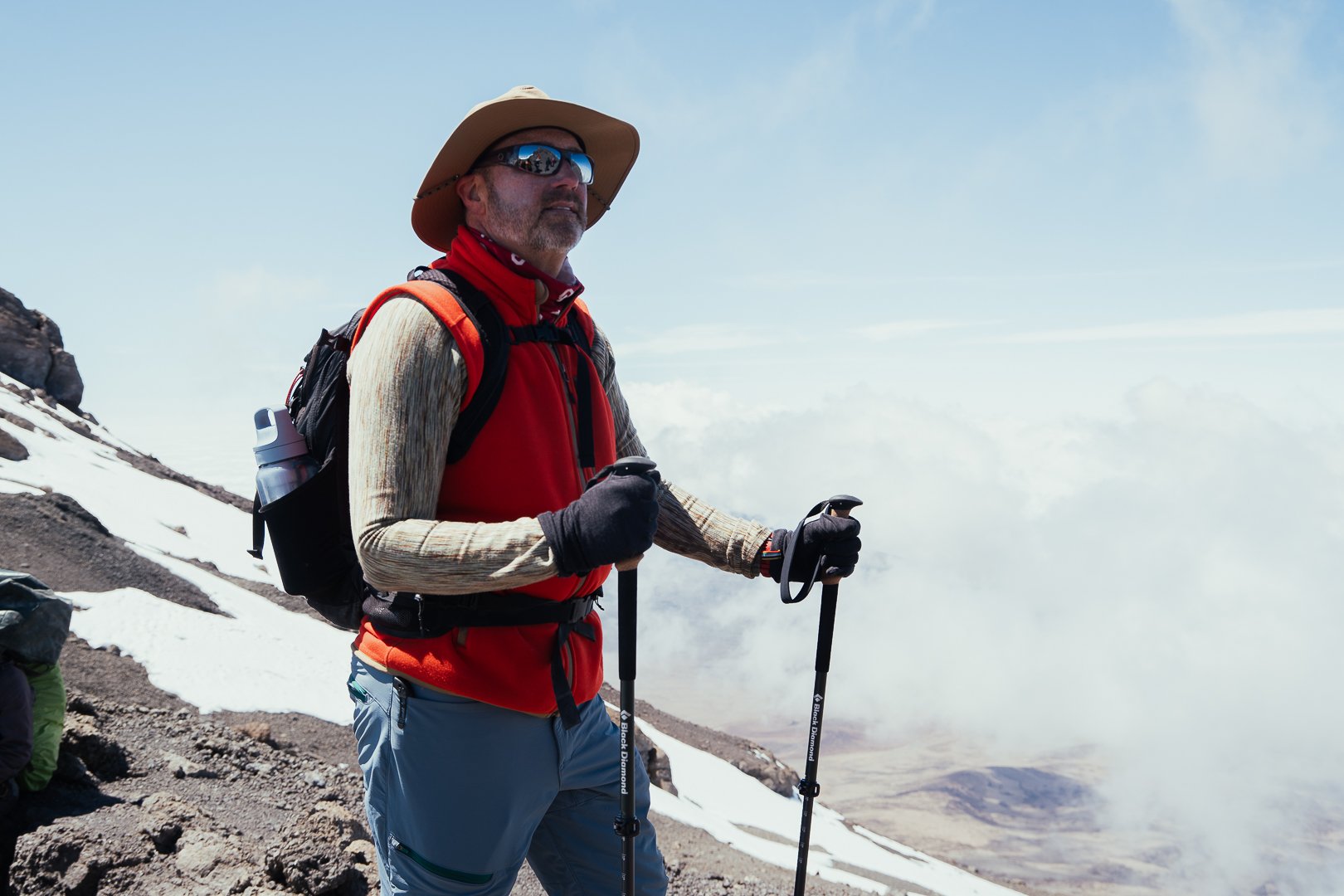
Walking poles are highly recommended, particularly for the descent, where they help reduce strain on knees and improve stability. A comfortable daypack should carry water, waterproof clothing, snacks, sunscreen and personal items required during the day's walk.
Personal Items
Recommended personal equipment includes:
Headtorch with spare batteries
Sunglasses
Sun hat
Sunscreen
Lip balm
Personal medications
Water bottles or hydration system
Camera
Personal toiletries
Rental Equipment
If you don't own specialist mountain equipment, African Environments offers a comprehensive range of high-quality rental equipment. Hiring equipment allows guests to travel lighter while ensuring everything meets the requirements of the expedition.
Rental equipment includes:
Sleeping bags
Insulated jackets
Waterproof jackets
Waterproof trousers
Walking poles
Duffel bags
Gaiters
Gloves
Additional cold-weather clothing
Every item is checked before departure to ensure it is clean, well maintained and suitable for the conditions expected on your climb.
Duffel Bags, Daypacks & Porters
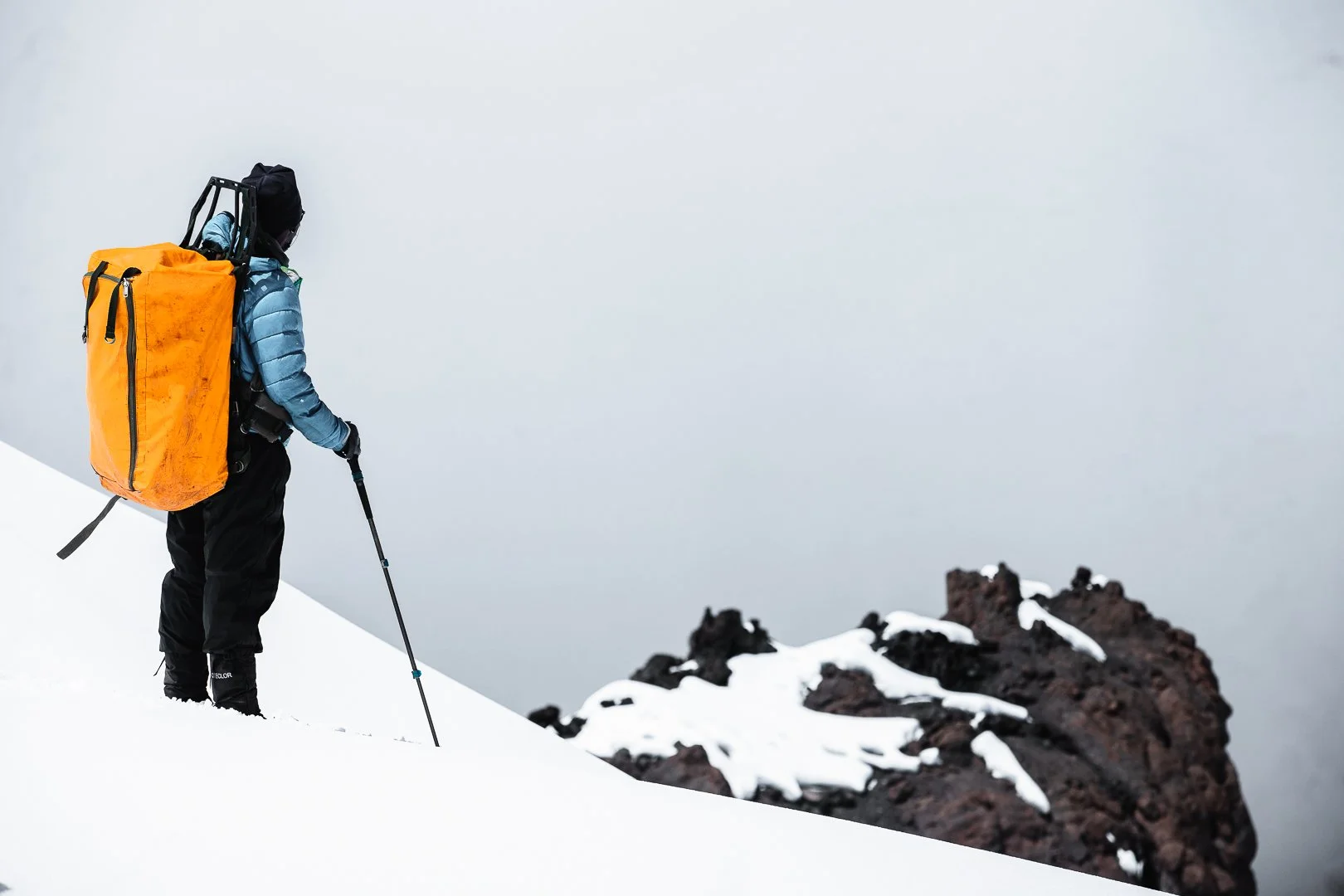
During the expedition, your main luggage is carried by porters in a duffel bag, allowing you to walk comfortably with only a daypack containing essential items for the day's climb.
Your daypack should include water, waterproof clothing, warm layers, snacks, camera equipment and any personal medication you may need during the day. Everything else travels separately with the porter team and is available when you reach camp each afternoon.
African Environments follows responsible porter welfare practices and all porter loads comply with Kilimanjaro National Park regulations.