Everything You Need Before You Climb
Climbing Kilimanjaro is one of the world's greatest adventures, but successful expeditions begin long before you arrive in Tanzania. Whether you're still deciding which route to climb or you've already booked your expedition, this guide brings together everything you'll need to prepare with confidence.
From selecting the right itinerary and understanding altitude to arranging visas, flights, insurance, and equipment, our team has spent more than forty years helping climbers arrive fully prepared. We believe that good preparation creates safer climbs, higher summit success rates, and a far more enjoyable experience from the moment you land in Tanzania.
Preparing for Success
Choosing the Right Route
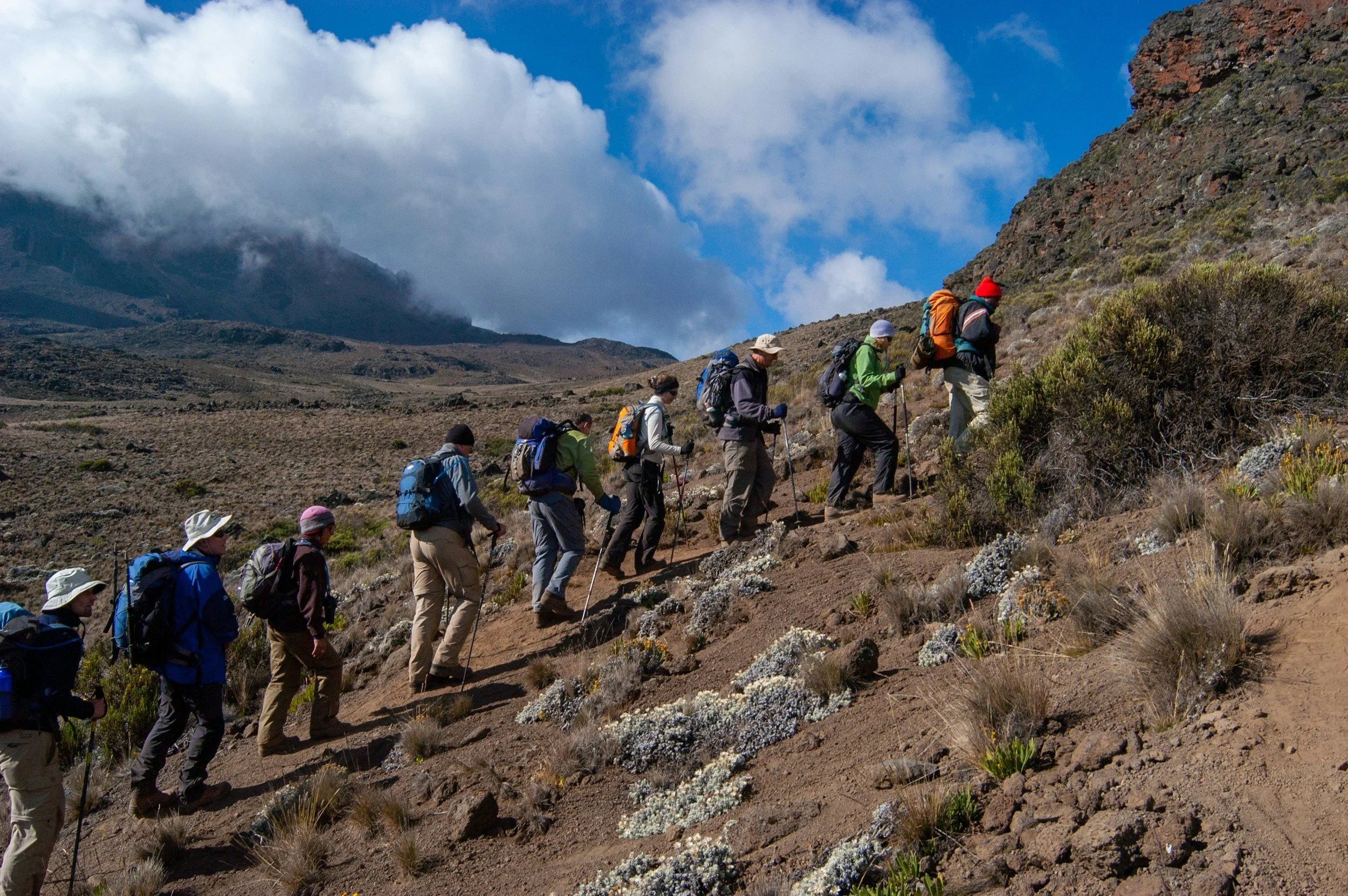
Every Kilimanjaro route offers a different experience. Some are shorter and more direct, while others allow additional acclimatisation days, quieter trails, and greater opportunities to enjoy the mountain's remarkable scenery.
When choosing a route, consider:
• Your previous hiking experience
• The amount of time available
• Your preferred level of challenge
• Your summit success goals
• Whether you'd like a private or scheduled departure
We generally recommend longer itineraries wherever possible, as they provide more time for acclimatisation and significantly increase the likelihood of reaching Uhuru Peak successfully.
Training & Fitness
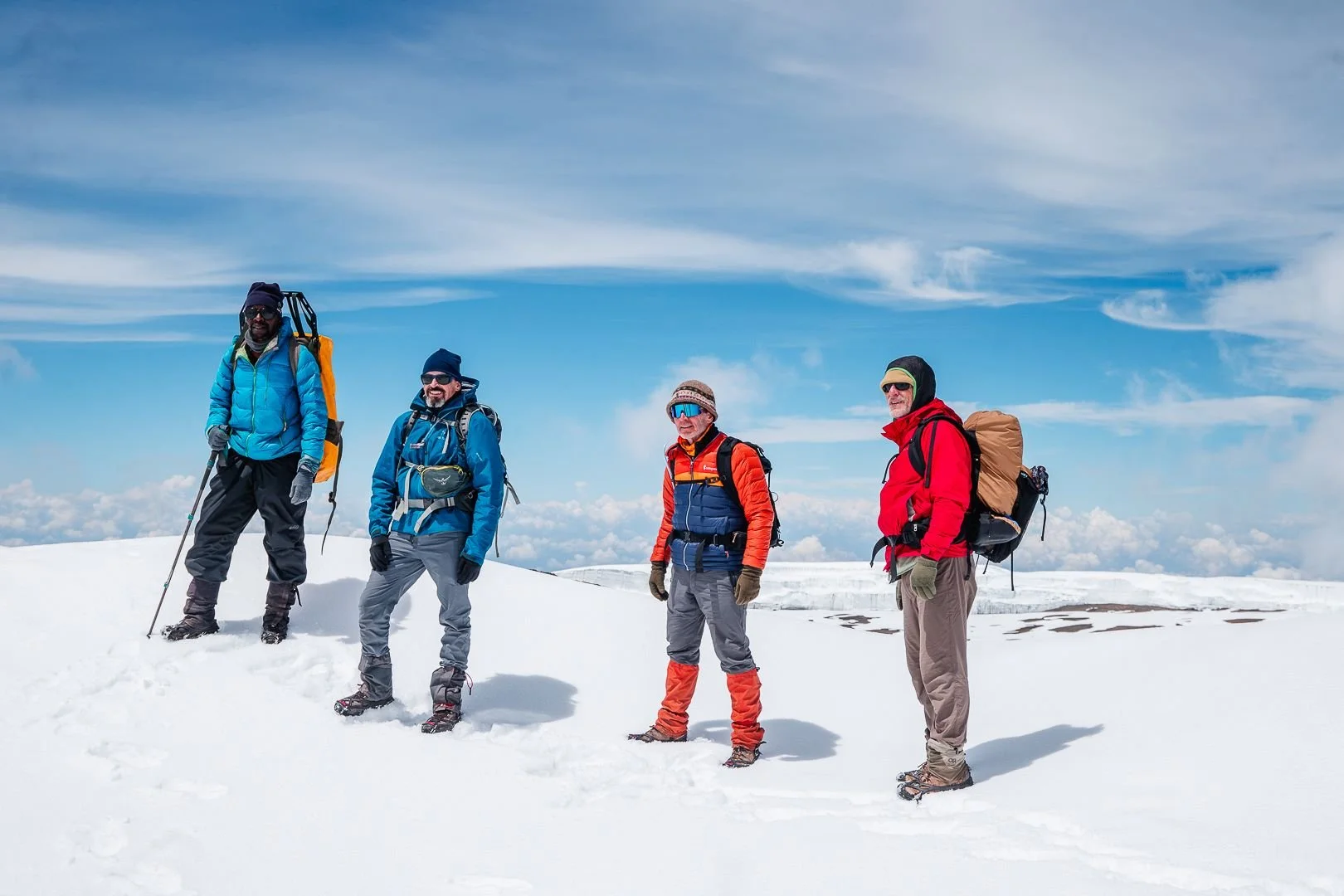
You do not need to be an elite athlete to climb Kilimanjaro, but you should arrive in good general health and comfortable walking for several consecutive days.
In the months before your expedition we recommend regular hill walking, cardiovascular exercise, and strengthening your legs and core. The better your overall fitness, the more you'll enjoy the climb and the easier your body will recover each day.
Altitude affects everyone differently, regardless of age or fitness level. The most important factors are climbing slowly, staying well hydrated, eating regularly, and following your guide's advice throughout the expedition.
Equipment & Packing
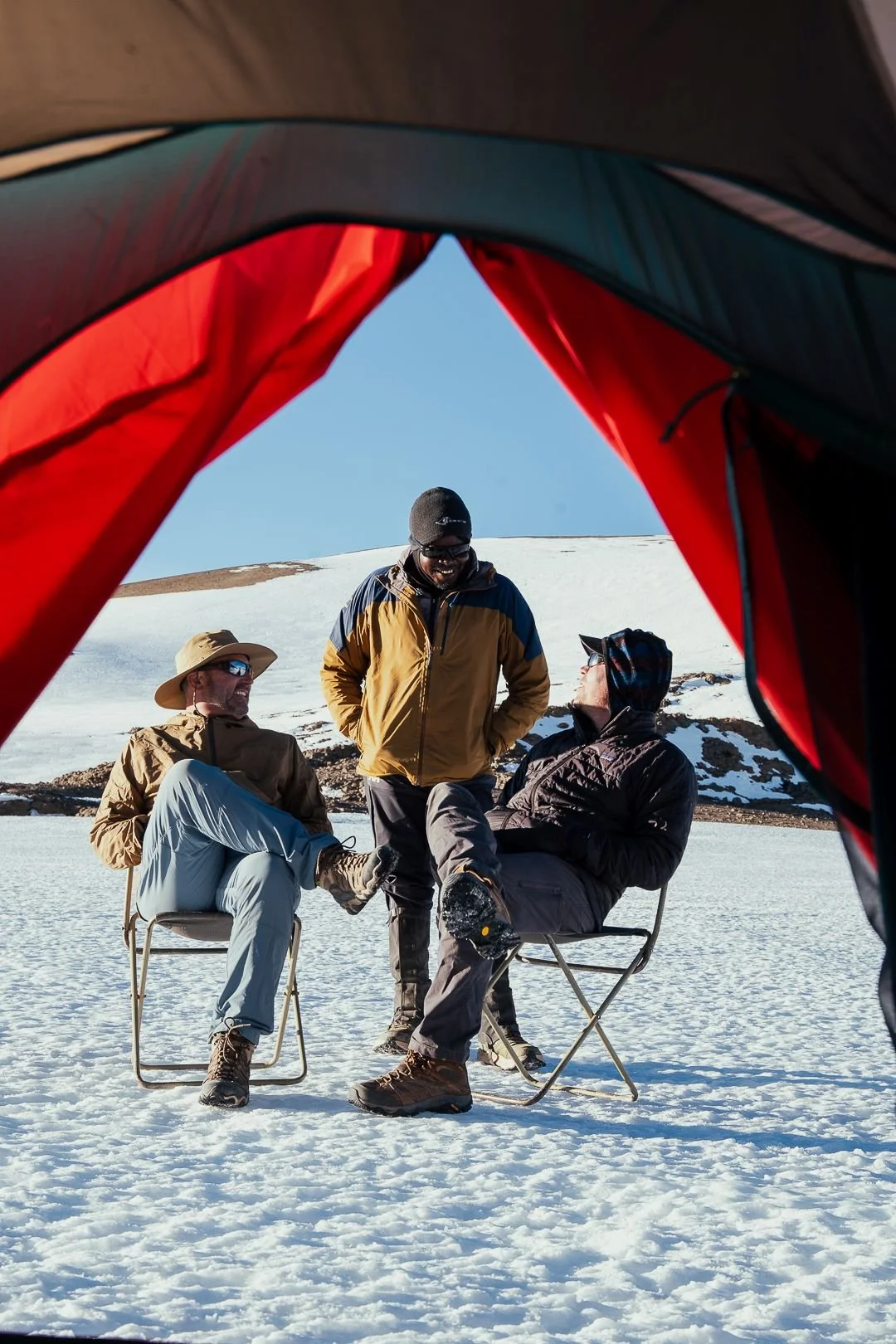
Temperatures on Kilimanjaro range from warm tropical conditions at the base of the mountain to well below freezing on summit night. Dressing in layers allows you to stay comfortable throughout the climb.
Your equipment should include:
• Waterproof jacket and trousers
• Insulated jacket
• Base layers
• Warm hat and gloves
• Good quality hiking boots
• Walking poles (recommended)
• Headtorch with spare batteries
• Sleeping bag suitable for sub-zero temperatures
• Daypack and duffel bag
Don't worry if you don't own specialist equipment. African Environments offers a wide range of quality rental equipment, allowing you to travel lighter while ensuring you have everything needed for a successful expedition.
Before You Arrive
Getting to Tanzania
Fly into Kilimanjaro International Airport (JRO), where an African Environments representative will meet you and transfer you to your accommodation in Arusha. Most international travellers arrive via Amsterdam, Doha, Addis Ababa or Istanbul.
Health & Safety
Consult your doctor or travel clinic before travelling regarding vaccinations and malaria prevention. Our guides are all Wilderness First Responder certified, and every expedition carries oxygen, medical equipment, pulse oximeters, satellite communications and comprehensive emergency procedures.
Travel Insurance
Comprehensive travel insurance covering high-altitude trekking and emergency medical evacuation is essential for every climber. We strongly recommend arranging this before leaving home and carrying copies of your policy while travelling.
Travel Information
-
The easiest way to reach African Environments is by flying into Kilimanjaro International Airport (JRO), located approximately one hour from our headquarters in Arusha. This is the main gateway for visitors climbing Kilimanjaro or exploring Northern Tanzania and is where our team will personally meet you on arrival.
Most international guests travel via Amsterdam with KLM, although excellent connections are also available through Doha (Qatar Airways), Addis Ababa (Ethiopian Airlines), Istanbul (Turkish Airlines), and Nairobi (Kenya Airways). If you are planning to combine your climb with a safari or beach extension, we are happy to advise on the most convenient routing.
Once you arrive, there's no need to worry about transfers or logistics. An African Environments representative will meet you at the airport, assist with your luggage, and transfer you directly to your accommodation in Arusha. This gives you time to relax, meet your guide, complete your equipment check, and prepare for your climb before entering Kilimanjaro National Park.
-
Most visitors require a Tourist Visa to enter Tanzania. For many nationalities, visas can either be obtained online before travel or purchased on arrival at Kilimanjaro International Airport. As visa regulations and fees occasionally change, we recommend checking the latest requirements with your nearest Tanzanian Embassy or official government website before departure.
Your passport should be valid for at least six months beyond your planned date of departure from Tanzania and should contain sufficient blank pages for immigration stamps. If you are travelling via another African country, different entry requirements may apply, particularly regarding Yellow Fever vaccination certificates.
Applying for your visa before travelling can often reduce waiting times at immigration after a long international flight. If you have any questions before departure, our team will be happy to advise you on current entry requirements.
-
Before travelling to Tanzania, we recommend consulting your doctor or a specialist travel clinic regarding vaccinations and any medications that may be appropriate for your itinerary. Advice varies depending on your home country, recent travel history, and personal medical circumstances.
A Yellow Fever vaccination is only required if you are arriving from, or have recently travelled through, a country where Yellow Fever is present. Malaria is not found on the upper slopes of Mount Kilimanjaro due to the altitude, although preventative medication may be recommended if you are spending time in Arusha or on safari before or after your climb.
Altitude is the greatest challenge on Kilimanjaro, and it affects every climber differently regardless of age or fitness. Our itineraries are designed to maximise acclimatisation wherever possible, while our guides conduct daily health checks using pulse oximeters and monitor every guest carefully throughout the expedition. Your safety will always be our highest priority.
-
The local currency is the Tanzanian Shilling (TZS), although US Dollars are widely accepted throughout the tourism industry. We recommend bringing newer US Dollar notes (printed after 2009), as older notes are sometimes refused. Credit cards are accepted at many hotels, although additional bank charges may apply.
ATMs are readily available in Arusha before your climb, allowing you to withdraw local currency if required. During your expedition there are no banking facilities, so any cash required for personal purchases or gratuities should be obtained beforehand.
Tipping forms an important part of the tourism industry in Tanzania and is greatly appreciated by mountain crews who work exceptionally hard to support every expedition. We will provide clear guidance on recommended gratuities before your climb to ensure they are distributed fairly amongst guides, cooks, and porters.
Mobile phone coverage is surprisingly good on many sections of Kilimanjaro, although signal strength varies with location and altitude. Charging facilities are generally unavailable on the mountain, so we recommend bringing a fully charged power bank if you wish to keep electronic devices powered throughout the climb.
-
Your Kilimanjaro adventure begins in Arusha, the safari capital of northern Tanzania and home to African Environments. Before heading onto the mountain, you'll have time to recover from your international flight, meet your climbing team, and complete a full equipment inspection to ensure you have everything required for a safe and comfortable expedition.
This preparation day is an important part of the experience. Your guide will provide a detailed briefing covering the route, daily routine, altitude, health monitoring, safety procedures, and what to expect during each stage of the climb. It is also the ideal opportunity to ask questions and make any last-minute adjustments to your equipment.
If you need to hire any specialist clothing or equipment, our rental store stocks quality items including sleeping bags, insulated jackets, walking poles, gaiters, waterproofs, and other essential mountain gear. Hiring equipment locally allows many guests to travel lighter while still having access to reliable, high-quality kit.
-
Preparing well before you travel will help ensure a smooth and enjoyable expedition. We recommend confirming that your passport is valid, arranging comprehensive travel insurance that includes high-altitude trekking and emergency evacuation, and checking current visa and vaccination requirements well in advance of departure.
When packing, focus on lightweight clothing that can be layered to cope with Kilimanjaro's changing conditions. Temperatures can range from warm tropical weather at the base of the mountain to well below freezing on summit night, so good quality waterproofs and insulated clothing are essential. A detailed packing list will be provided after booking to help you prepare with confidence.
Finally, remember that climbing Kilimanjaro is not simply a physical challenge—it is an adventure to be enjoyed. Arrive well rested, keep an open mind, and trust your guides. For more than forty years, African Environments has helped climbers from around the world reach the Roof of Africa safely, responsibly, and with memories that last a lifetime.
Frequently Asked Questions
-
You don't need to be an elite athlete to climb Kilimanjaro, but you should have a reasonable level of fitness and be comfortable walking for several consecutive days. Regular hill walking, hiking, running or cycling in the months before your trip will help prepare you. More important than speed or strength is the ability to walk slowly and steadily for several hours each day while carrying a small daypack.
-
The best route depends on your available time, previous hiking experience, and summit goals. Longer routes generally offer better acclimatisation, higher summit success rates, and a more relaxed pace. African Environments offers a range of carefully selected routes, and we'll happily recommend the one best suited to your experience and ambitions.
-
Kilimanjaro can be climbed throughout the year, although the most popular periods are January to March and June to October, when weather conditions are generally drier. Each season offers a different experience, from quieter trails to greener landscapes. Our team can advise on the best time based on your travel dates and preferences.
-
Temperatures vary dramatically as you gain altitude. At the base of the mountain, daytime temperatures are often above 20°C, while summit night can fall to between -10°C and -20°C, particularly before sunrise. Dressing in layers is essential, and a detailed packing list will be provided before your climb.
-
Yes. We offer a comprehensive range of high-quality rental equipment, including sleeping bags, insulated jackets, waterproof clothing, walking poles, gaiters and other essential mountain gear. Hiring equipment locally allows many guests to travel lighter while ensuring they have suitable kit for the climb.
-
Every African Environments expedition is equipped with oxygen cylinders, pulse oximeters, comprehensive medical kits, stretchers, satellite communications and emergency evacuation procedures. Our mountain guides are trained to Wilderness First Responder (WFR) level and carry out daily health checks throughout the climb to monitor each guest's wellbeing.
-
Our guides closely monitor every climber throughout the expedition. If symptoms of altitude sickness develop, your guide will assess your condition and decide on the safest course of action. This may involve rest, additional monitoring, or descending to a lower altitude if necessary. Guest safety will always take priority over reaching the summit.
-
Our mountain chefs prepare freshly cooked meals throughout the expedition, designed to provide the energy needed for high-altitude trekking. Menus include a variety of soups, pasta, rice, vegetables, fresh fruit, eggs and meats, with hot drinks available throughout the day. Vegetarian, vegan and most dietary requirements can be catered for with advance notice.
-
Yes. Safe drinking water is provided throughout your climb. Water is treated and filtered before being distributed each day, and we encourage guests to bring reusable water bottles or hydration bladders to minimise plastic waste.
-
Your main duffel bag is carried by porters during the climb, while you carry only a small daypack containing essentials such as water, waterproof clothing, snacks and your camera. We will provide detailed luggage weight guidelines before your departure to ensure compliance with Kilimanjaro National Park regulations.
-
Yes. Any luggage not required on the mountain can be securely stored at your hotel or with African Environments in Arusha while you are on the expedition. Many guests leave additional clothing, electronics and safari luggage behind before starting the climb.
-
Absolutely. Many of our guests choose to combine their climb with a private safari or a relaxing beach extension to Zanzibar. Because African Environments specialises in both Kilimanjaro expeditions and tailor-made safaris, we can create a seamless itinerary that combines the very best of Tanzania.
-
Tipping is customary on Kilimanjaro and provides important recognition for the hard work of your guides, cooks and porters. We will provide recommended tipping guidelines before your climb to help ensure gratuities are distributed fairly among the entire mountain team.
-
We recommend booking several months in advance, particularly if you plan to travel during the peak climbing seasons or require private departures. Early booking also allows plenty of time to arrange flights, visas, insurance and training before your expedition.